
Bee READY • Level 1 Foundations
My Feelings and Body
Help your child notice a body clue, describe it without pressure, choose one support, and check again.
“Where do you notice it? You can point or say ‘I don’t know.’ Let’s try one support and check again.”
The Four Step Plan
Body clues are information, not bad behavior.
Body Clue Explorer
Start anywhere. There is no single correct feeling and no need to finish every step.
1. Tap a body area
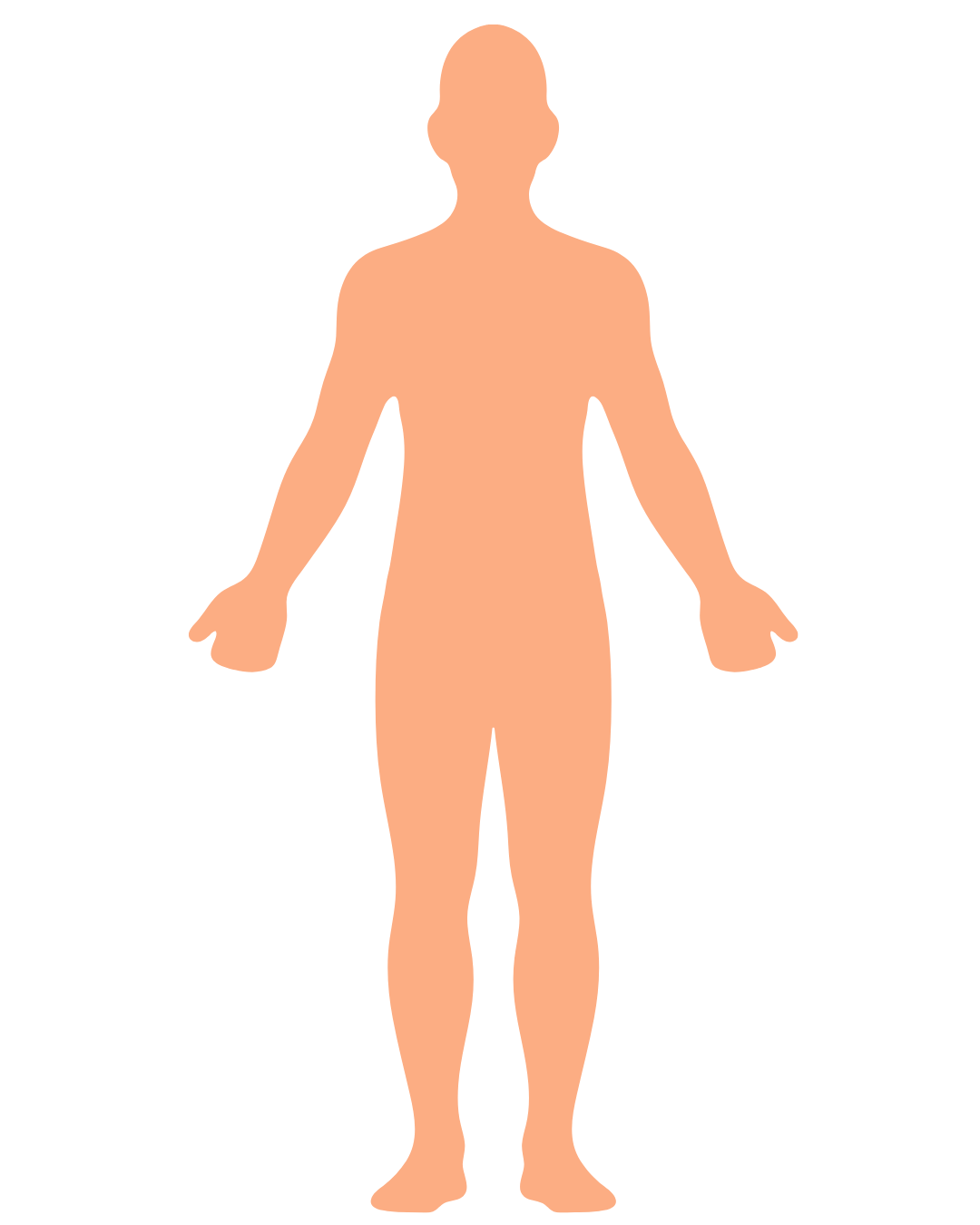
A body clue is a starting point for curiosity, not a diagnosis.
Build the Body Message
My Body Message
My body says: Choose a body area and clue.
It might mean: Choose a possibility or “I don’t know yet.”
I could try: Choose one safe support.
What Helps Most
Stay curious. Do not require the child to identify one exact emotion.
Try saying
“Where do you notice something?”
“Does it feel tight, fast, heavy, or wiggly?”
“You can point or say ‘I don’t know.’”
“Let’s try one support and check again.”
Avoid guessing for them
Instead of “You are anxious,” start with the body clue.
Instead of “Calm down,” offer one concrete support.
Instead of “Use your words,” accept pictures, AAC, gestures, or silence.
Instead of requiring deep breathing, offer choices.
What is interoception?
Interoception is awareness of signals from inside the body, including hunger, thirst, heartbeat, breathing, temperature, pain, tiredness, and the need to use the bathroom.
Children vary widely in how clearly they notice, describe, and interpret these signals.
What if my child says “I don’t know”?
Accept it. “I don’t know” is information. Offer two concrete choices, allow pointing or AAC, reduce pressure, or return later.
Guessing under pressure does not build accurate body awareness.
Does every body clue mean an emotion?
No. A racing heart might come from movement, excitement, worry, medication, illness, pain, heat, dehydration, or another physical cause.
Check basic body needs, the environment, and medical concerns too.
Which support is best?
There is no universal regulation strategy. Breathing helps some children and frustrates others. Match support to the child, the situation, and what changes the body clue.
Regulate → See → Try → Do → Reflect